Dropshipping: Cut Returns by 10% by 2026 With Efficient Logistics
Anúncios
Dropshipping: Cut Returns by 10% by 2026 With Efficient Logistics
Dropshipping has established itself as a promising business model, attracting entrepreneurs with its flexibility and low startup costs. However, success in this market depends crucially on efficient logistics management. One of the biggest challenges dropshippers face is a high return rate, which directly impacts the profitability and reputation of the business. This article explores the main causes of returns and presents concrete strategies to reduce dropshipping returns by 10% by the end of 2026, focusing on optimizing dropshipping logistics.
Anúncios
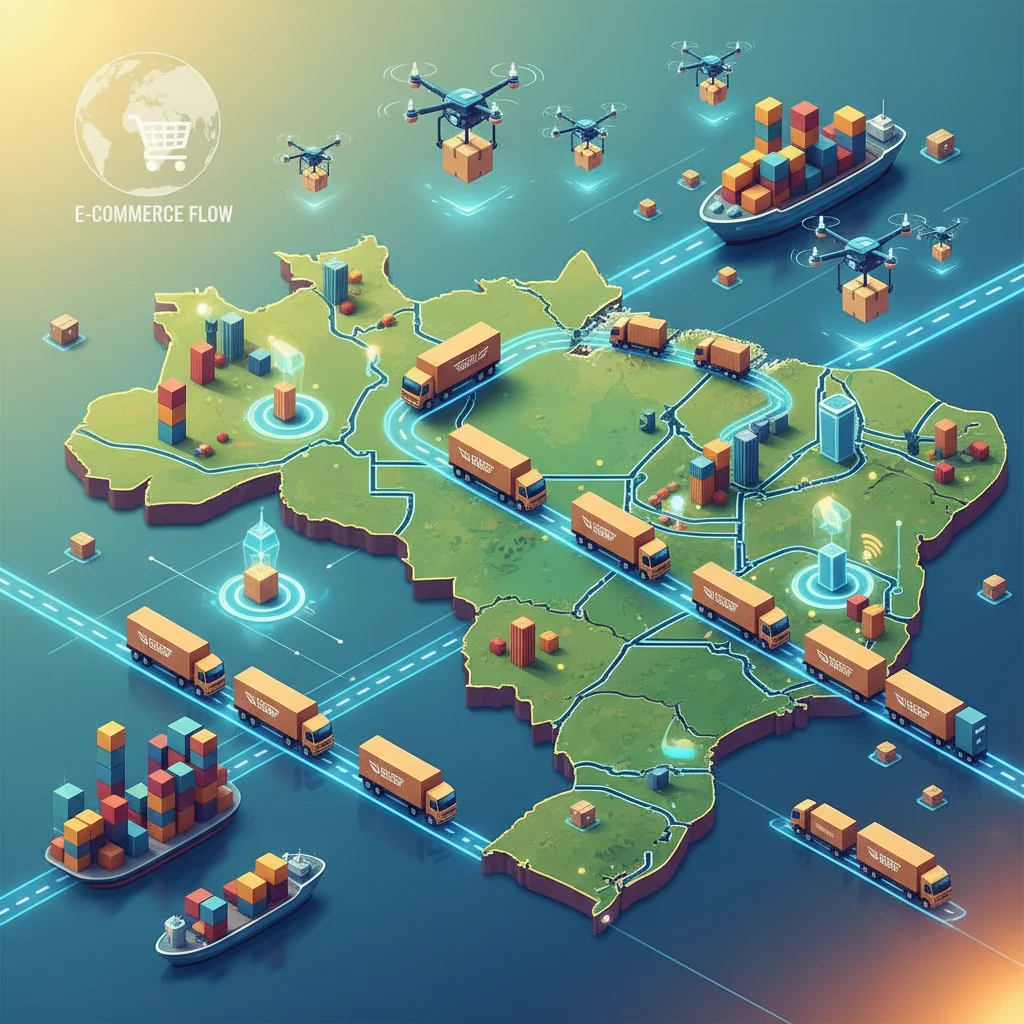
Understanding the complexity of dropshipping logistics is the first step to mitigating problems. The U.S. spans a vast territory, with varied transportation networks and complex state-by-state tax rules, factors that contribute to unpredictable delivery times and high costs. In addition, consumer expectations for fast delivery and good after-sales service grow every day, making logistics management a competitive advantage.
The goal of reducing returns by 10% may seem ambitious, but it’s entirely achievable by implementing the right practices and tools. Let’s dive into the root causes of returns and then the solutions that will make a difference.
Anúncios
Why Do Returns Happen in Dropshipping?
Before implementing solutions, it’s essential to understand why customers choose to return products. The causes are multifaceted and often interconnected:
1. Inadequate Product Descriptions
One of the main reasons for returns is a mismatch between the product description on the site and the item received. This includes incomplete information, photos that don’t match reality (colors, sizes, textures) or missing important details. In dropshipping, where the store owner has no physical contact with the product, you depend entirely on the supplier’s information, which requires even more rigorous curation.
2. Unsatisfactory Quality
Low-quality products or products that don’t meet customer expectations are a significant driver of returns. In international dropshipping (mainly from China), perceived quality can vary, and the lack of pre-shipment quality control is a constant risk. Your business’s reputation is at stake here.
3. Excessive or Inconsistent Delivery Times
Consumer impatience is well known. Very long delivery times or unexpected delays lead to frustration and, in many cases, to canceled orders or refused deliveries, which count as returns. The complexity of dropshipping logistics, with its customs and transportation particularities, makes this problem worse.
4. Shipping Damage
Flimsy packaging or improper handling during transit can result in damaged products. An item that arrives broken or scratched is a guaranteed return and a loss for both the store owner and the supplier.
5. Wrong Size or Fit (Clothing and Footwear)
Especially for products like clothing and shoes, size variations between manufacturers and a lack of accurate size guides lead to many returns. A customer buys a size “M” that fits like an “S” when it arrives, for example.
6. Shipping Errors
Shipping the wrong product (model, color, size) or a different item from what was ordered is a human error that causes an immediate return. Although it seems basic, it happens more often than you’d think, especially in high-volume operations.
7. Lack of Communication and Support
The absence of a clear communication channel or inefficient customer support to answer questions before purchase or solve problems after delivery can lead customers to choose a return instead of seeking a solution.
Strategies to Reduce Returns and Optimize Dropshipping Logistics
Now that we understand the causes, let’s get to practical solutions for reaching the goal of a 10% reduction in returns by the end of 2026, focusing on dropshipping logistics.
1. Improve the Quality of Product Descriptions and Images
Invest time in creating detailed, accurate and honest descriptions for each product. Use multiple high-resolution photos, videos and, if possible, real customer photos. For clothing, include detailed measurement charts (length, width, etc.) and guidance on how to measure. Be transparent about materials and features.
- Pro Tip: Order samples of your best-selling products to create your own visual and descriptive content, ensuring it more faithfully represents the real item.
2. Rigorous Supplier Selection
This is one of the pillars of successful dropshipping logistics . Work only with suppliers that show a track record of quality, good communication and shipping efficiency. Place test orders, read reviews from other dropshippers and set clear performance criteria. Suppliers with U.S. warehouses or optimized shipping routes to the U.S. are a big advantage.
- Selection Criteria: Order processing time, available shipping options, return policy, packaging quality and overall reputation.
3. Optimizing Delivery Times
Managing delivery times is crucial in dropshipping logistics. Offer realistic shipping options and communicate them clearly to the customer. If possible, use suppliers that offer ePacket or other faster shipping options with detailed tracking. Consider partnering with local fulfillment companies in the U.S. for your highest-volume products.
- Transparency Is Key: Be honest about delivery times, especially for imported products. It’s better to promise a longer delivery time and pleasantly surprise customers than to promise something unrealistic and frustrate them.
- Effective Tracking: Provide a robust tracking system so customers can follow their order at every stage, reducing anxiety and support inquiries.
4. Proper Packaging and Protection
Although direct control over packaging lies with the supplier, you can influence this step. Prioritize suppliers that use sturdy packaging suited to the type of product, ensuring the item arrives intact. If the product is fragile, make sure the supplier uses protective materials like bubble wrap or foam.
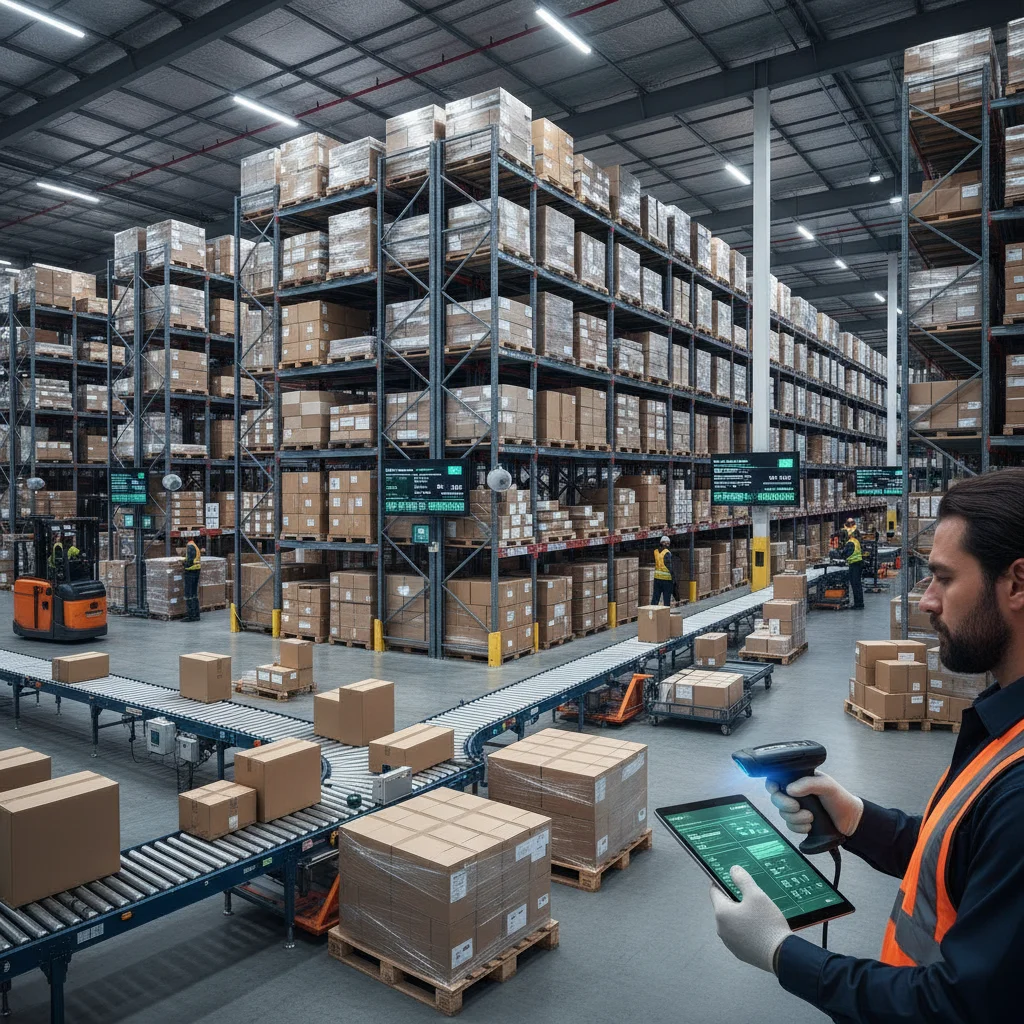
5. Inventory and Order Management Tools
Use platforms and software that integrate your online store with your suppliers’ systems. This helps keep inventory up to date, avoid selling out-of-stock products and minimize shipping errors. Automation tools can streamline the order process and reduce the chance of sending the wrong item.
6. A Clear, Simple Return Policy
A well-defined, easy-to-understand return policy can, ironically, reduce returns. When customers know what to expect and how to proceed, trust increases. In addition, a fair policy can encourage exchanges instead of full returns, or even acceptance of store credit.
- Deadlines: Follow applicable consumer protection laws and state your return window clearly.
- Process: Describe the step-by-step process for starting a return.
- Costs: Make it clear who pays for return shipping.
7. Proactive, Efficient Customer Service
Good support can turn a negative experience into a positive one. Answer questions quickly, be empathetic and offer solutions. If a customer is unhappy with a product, attentive service can prevent the return by, for example, offering a discount on a future purchase or helping them choose an alternative item.
- Communication Channels: Offer live chat, messaging apps, email and phone.
- Detailed FAQ: Create a frequently asked questions section to address the most common questions before they become problems.
8. Data Analysis and Continuous Monitoring
Constantly monitor your return rates. Which products are returned most? Which suppliers have the highest return rates? What’s the most common reason? Use this information to identify bottlenecks and adjust your strategies. Data analysis is crucial for the continuous improvement of dropshipping logistics.
- Essential KPIs: Return rate by product, by supplier, by reason and by region.
9. Partnerships With Domestic Logistics Companies
To optimize dropshipping logistics, consider partnering with carriers and fulfillment companies that operate nationwide. They can offer shorter delivery times, more accurate tracking and even quality control services before final shipment to the customer. Although it may increase upfront costs, fewer returns and higher customer satisfaction justify the investment.
- Cross-Docking: For high-demand products, consider using cross-docking to speed up distribution after goods arrive in the U.S.
10. Educate Your Customers
Many returns happen because of a lack of information or misaligned expectations. Educate your customers about the international purchase process (if applicable), average delivery times, how to measure correctly to choose the right size and how to care for the product. Blogs, videos and guides can be valuable tools.
The Impact of Fewer Returns on Profitability
Reducing returns by 10% isn’t just an operational metric; it’s a direct driver of your profitability. Every return generates costs:
- Shipping Costs: Both the original shipping and the return shipping (often paid by the store owner).
- Operating Costs: Support team time, return processing and communication with the supplier.
- Product Loss: In many cases, the returned product can’t be resold or loses value.
- Reputational Impact: Unhappy customers may leave negative reviews, driving away new buyers.
By reducing returns, you not only save on these direct and indirect costs but also improve brand perception, increase customer loyalty and free up resources to invest in growth and innovation. Optimizing dropshipping logistics, therefore, is a strategic investment.
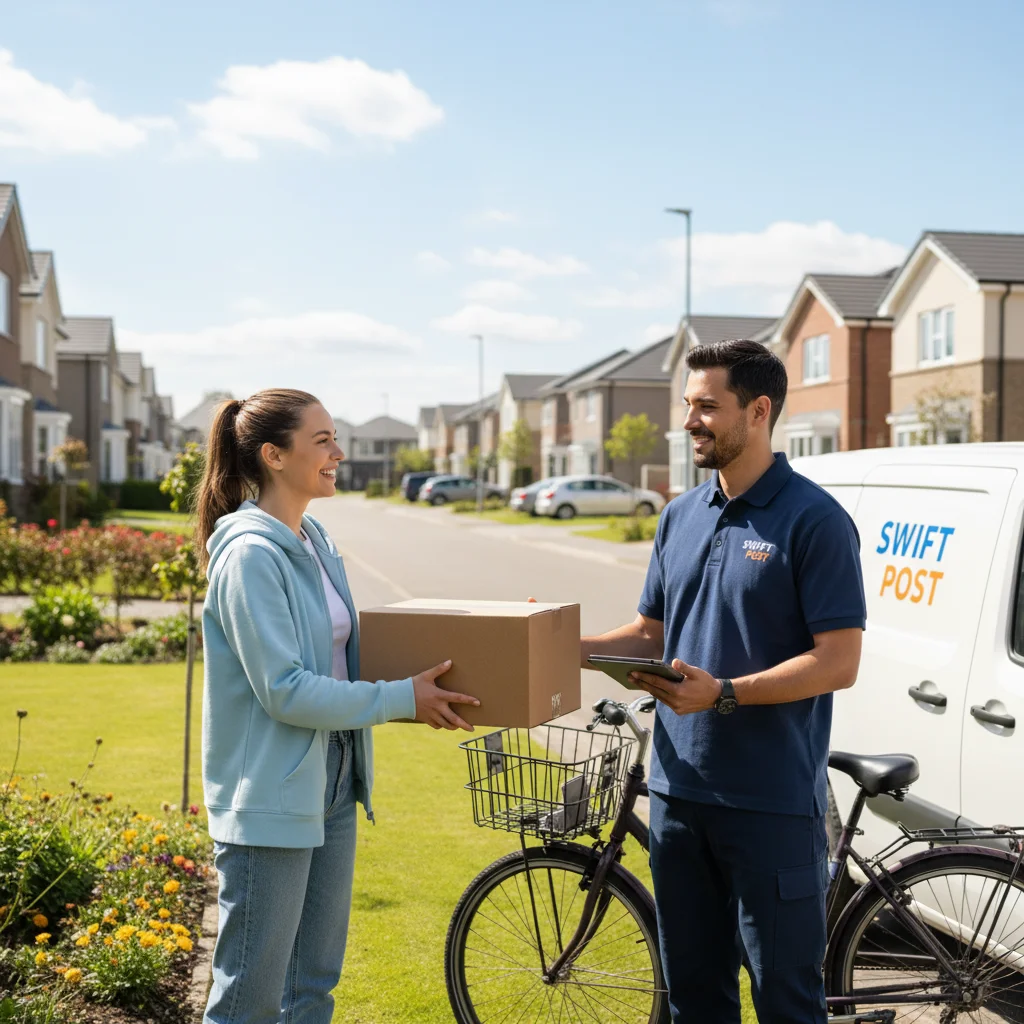
Hypothetical Case Study: Implementing Dropshipping Logistics Improvements
Imagine “Fashion Express,” a women’s clothing dropshipping store. In 2023, its return rate was 18%, mainly due to sizing problems and delivery delays. For 2024, the goal is to reduce that rate to 16.2% (a 10% reduction).
Actions Taken:
- Supplier Review: “Fashion Express” dropped suppliers with a history of inconsistent sizing and prioritized those with standardized measurement charts and positive quality feedback.
- Detailed Size Guide: It created a size guide with illustrations and instructions on how to measure the body, and added photos of models with different body types wearing the pieces.
- Transparent Communication: It updated all product pages and the checkout with more realistic delivery times and a clear return policy.
- Logistics Partnership: For its best-selling products, “Fashion Express” started using a domestic fulfillment service that received the items from the supplier, performed a quick quality and size check and reshipped them via a domestic carrier.
- Proactive Customer Service: It implemented a chatbot to answer frequently asked questions about sizes and delivery times, and trained the support team to offer alternatives before a return was finalized.
Expected Results (by 2026):
- A gradual reduction in the return rate.
- Higher customer satisfaction, reflected in positive reviews.
- Lower operating costs related to returns.
- Improved brand reputation and, as a result, higher sales.
This example shows how a set of actions focused on dropshipping logistics and the customer experience can produce tangible results.
Final Thoughts and Next Steps
The journey to optimize dropshipping logistics and reduce returns is ongoing. It requires constant monitoring, adaptation and an unwavering commitment to customer satisfaction. The goal to reduce returns by 10% by the end of 2026 is a strategic objective that, if achieved, will position your business for greater competitiveness and profitability.
Start auditing your processes, talking to your suppliers and listening to your customers today. Small changes can have a big impact. Improve your product descriptions, be transparent about delivery times, invest in good customer service and, above all, prioritize logistics partners and suppliers that understand the complexity of the market.
Dropshipping is a dynamic business model. Those who master its logistics challenges are the ones who will thrive. By focusing on reducing returns, you’re not just cutting costs; you’re building a solid foundation of trust with your customers, the most valuable asset of any online store.
Invest in your dropshipping logistics. The future of your business depends on it!
Additional Resources to Deepen Your Knowledge:
- The Complete Beginner’s Guide to Dropshipping
- How to Choose the Best Dropshipping Suppliers
- E-commerce Marketing Strategies
- Essential Tools to Optimize Your Dropshipping Business
This article was created to provide practical, actionable insights. Implement these strategies and watch your dropshipping business grow more sustainably and profitably.