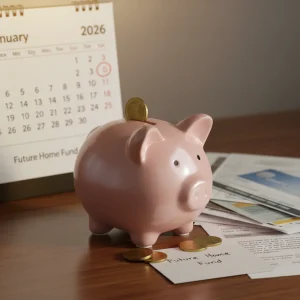
Financial Education for Beginners: Start Saving Now
Anúncios
Financial education for beginners: build an emergency fund even on a low income by setting realistic goals (start with 1 month of expenses), mapping your income and spending, automating contributions and directing any extra money to safe, liquid accounts.
Financial education for beginners can feel out of reach when money is tight. Have you ever thought about saving the equivalent of one month of expenses? I’ll show you simple steps, real examples and choices that fit your budget.
Anúncios
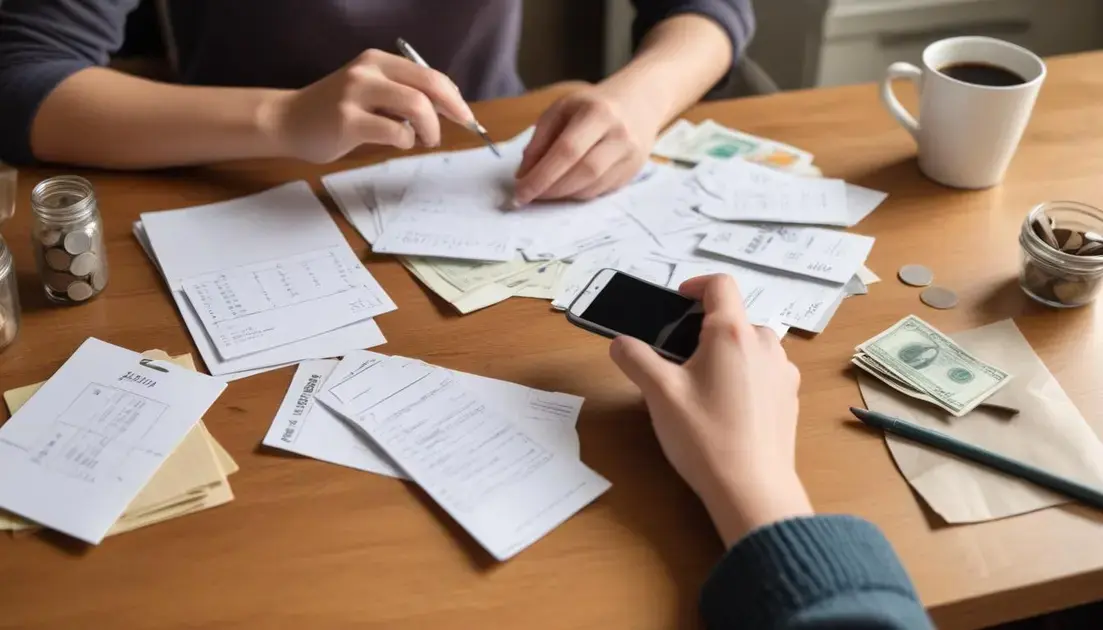
How to Identify Your Real Income and Spending
Financial education for beginners starts with knowing how much comes in and how much goes out. Understanding your income and real spending makes it possible to plan an emergency fund that fits your paycheck.
This step is practical: track everything for a month and use it as the basis for simple, safe decisions.
Anúncios
Map All Your Sources of Income
List every inflow: paycheck, side gigs, benefits and occasional earnings. Add up the net amounts, not forgetting deductions.
- Fixed salary: what hits your account every month.
- Variable income: side gigs, commissions and extras.
- Assistance and benefits: vouchers, stipends or transfers.
- Occasional income: sales, refunds, cash gifts.
By separating steady income and variable income, you see the safe minimum for your emergency fund. Use a monthly average for the extras.
How to Identify and Track Spending
Write down everything: transportation, housing, food, debt and entertainment. Small purchases add up fast. Real records prevent optimistic estimates.
- Recurring expenses: rent, electricity, internet.
- Essential purchases: groceries and medicine.
- Variable spending: transportation and entertainment.
- Debt and interest: installments and credit cards.
Use simple tools: a notebook, spreadsheet or free app. Taking photos of receipts helps you remember small purchases.
Compare bank statements with your records. That’s how you find duplicate charges, forgotten subscriptions and impulse buys.
Calculate the monthly total and average it over 3 to 6 months if your income varies. That average shows the real cost of your expenses.
If things still aren’t clear, cut small expenses for 30 days as a test. Note the impact and adjust your budget based on real results.
With real income and spendingdata, it’s easier to decide how much to set aside each month without compromising the essentials.
How Much to Save: Realistic Emergency Fund Goals
An emergency fund needs to be realistic and achievable, even on a tight budget. Start by setting a simple goal that fits your budget today.
Small steps get results: gradual goals keep you disciplined and avoid frustration.
Calculate Your Essential Expenses
Add up your fixed expenses and the average of your variable ones to find your minimum monthly cost.
- Housing: rent or mortgage, HOA fees and basic utilities.
- Food: average grocery spending and meals out.
- Transportation and health: gas, bus fare, medicine.
- Installments and services: debts and subscriptions.
Use statements and receipts to get real numbers. If your income varies, average the last 3 months.
Practical Goals for Each Situation
Set goals in stages. Don’t aim straight for 6 months if it isn’t feasible; focus on 1 month first.
- Starter goal: 1 month of essential expenses for immediate emergencies.
- Intermediate goal: 3 months for greater security.
- Ideal goal: 6 months or more, depending on how stable your income is.
For low earners, a 1-month goal already helps you avoid expensive loans. Then build it up little by little to 3 months.
Another approach is to save a percentage of whatever comes in: start with 5% of your income and gradually increase it to 10% when you can. This builds the habit without squeezing your budget.
Turn goals into concrete amounts: if your average expenses are $240, start with $240 as your initial goal. If you prefer, divide that amount by weeks for smaller, easier-to-reach targets.
Tips to Speed Things Up Without Cutting the Essentials
Small savings add up: negotiate subscriptions, reduce grocery waste, sell things you don’t use.
- Set a fixed amount to save each week.
- Put leftover money from side gigs and extras into the fund.
- Cut spending for 30 days as an experiment and review the impact.
Avoid using the fund for non-emergency expenses. Protect it to cover real emergencies, like illness, unemployment or urgent repairs.
With clear goals and stages, your emergency fund becomes a tangible goal, built without strain and adapted to your income.
Practical Tactics to Save Money on a Low Income

Earning little doesn’t stop you from saving money; simple habits change the outcome. Focus on easy actions you can keep up for months.
Small goals and a routine make saving feel natural, without drastic cuts to the essentials.
Automate Your Savings
Put your savings on autopilot so you don’t forget. Repeated actions build habits without relying on willpower.
- Automatic transfer on payday to a separate account.
- Apps that round up purchases and move the spare change to savings.
- Automatic debit to a digital savings jar or a liquid account.
Automation protects your emergency fund and prevents impulse use. Even $1 a week adds up over time.
Make the Most of Every Extra Dollar
Use extra earnings to boost your fund, not for everyday spending. Side gigs, overtime and sales should go to the fund first.
- Put 100% of temporary gigs or cash gifts into the fund.
- Sell unused clothes or electronics for a quick contribution.
- Cash back and refunds also go straight into the fund.
Setting these amounts aside speeds up building the fund without touching your main paycheck. You’ll see real progress in no time.
Another tactic is to break the goal into smaller ones: save weekly instead of monthly. Weekly goals create motivation and quick feedback.
Cut small expenses that don’t affect the essentials: skip eating out a few times, review subscriptions or renegotiate services. These savings add up over the month.
If possible, combine cutting expenses with occasional extra income. Working both sides makes saving faster and less painful.
Monitor the results for 30 days: adjust amounts and methods based on what worked. Simplicity beats complexity.
With practical tactics and consistency, saving money even on a low income becomes a predictable, sustainable process.
Where to Keep Your Emergency Fund Safely and With Liquidity
Where you keep your emergency fund is just as important as saving the money. Your choice should prioritize safety and liquidity, so you can access the money without risk or delay.
Options with quick withdrawals and low risk protect your emergency fund and prevent losses when you need it.
Highly Liquid Accounts and Investments
Choose options that allow immediate withdrawal or access within a few days. Liquidity means being able to use the money when you need it.
- Checking or savings account: immediate or fast access, with no hassle.
- High-yield savings account: earns more than a regular savings account and allows quick withdrawals.
- No-penalty CD: earns more and lets you withdraw without a penalty.
- Treasury bills: low risk and redeemable in a few business days, suited for larger funds.
Each option has pros and cons. A savings account is simple; Treasury bills often pay more but require selling and transferring the funds. Consider how long withdrawals take before deciding.
Costs, Taxes and Safety
Consider fees and taxes. Funds with management fees reduce your returns. Interest from CDs and Treasuries is subject to income tax.
- Look for products with low or no management fees.
- Check for lock-up periods and early withdrawal penalties.
- Confirm the issuer’s safety: FDIC-insured banks and government securities are the safest.
For low earners, the priority is keeping the money intact and available. Avoid high-risk investments that could lose value in the short term.
Keep your emergency fund separate from long-term investments. Mixing goals can lead to misusing the fund or taking losses at critical moments.
Practical Steps for Choosing
Test how convenient it is before transferring everything. Open the account, make a small deposit and simulate a withdrawal. See how long it takes and what fees show up.
- Set your target amount and the level of liquidity you want.
- Compare net returns across simple alternatives.
- Prioritize quick access in the first few months; later, consider moving part of it to slightly higher-yielding options.
Automate contributions to the chosen account and review the option every 6 months. That way you protect the fund and improve returns without taking unnecessary risks.
Choosing a safe, liquid place for your emergency fund lets you face the unexpected without turning to expensive debt, keeping your day-to-day finances stable.
When to Use Your Emergency Fund and How to Rebuild It
Financial education for beginners requires clear rules about when to use your emergency fund. Knowing how to recognize a real emergency prevents unnecessary use of the fund.
Use the fund only in situations that threaten your immediate financial stability, not for wants or planned purchases.
When It’s Justified to Use It
Prioritize events that require immediate payment and have no viable alternative:
- Job loss or a sudden drop in income that threatens your livelihood.
- Urgent medical expenses not covered by insurance.
- Essential home or car repairs that keep you from working.
Avoid tapping the fund for expected bills or to cover spending habits. If there are low-interest payment plans available, compare them before using the fund.
How to Rebuild Your Fund in Practice
After using your emergency fund, set a simple, realistic plan to rebuild it without throwing off your budget.
- Set a temporary goal: for example, get back to 50% in 3 months.
- Set aside a fixed percentage of your income (start with 5% and increase it when possible).
- Direct extra earnings, side gigs and item sales to the fund.
Automate weekly or monthly contributions so you don’t have to remember. Small, steady deposits restore the balance without much effort.
Combine a temporary cut in non-essential spending with extra contributions. Negotiate debts and cancel forgotten subscriptions to free up cash fast.
If you used the fund for a major event, prioritize stabilizing your fixed expenses before putting everything toward rebuilding. Keeping up with regular payments is essential.
While rebuilding, keep the fund separate from other savings and track your progress monthly. This helps you stay focused and disciplined.
Using your emergency fund wisely and having a plan to rebuild it turns an emergency into a manageable incident, preserving your financial peace of mind.
An emergency fund is achievable even on a reduced income: map your income and spending, set small goals and automate contributions. Prioritize safety and liquidity, use the fund only for real emergencies and rebuild it with fixed and extra contributions.
FAQ – Frequently Asked Questions About Emergency Funds and Financial Education
How much should I have in my emergency fund?
Start with the equivalent of 1 month of essential expenses; then work up to 3 months and, if possible, 6 months, depending on how stable your income is.
Can I use a credit card in an emergency?
Avoid using a card if you can, since interest can grow the debt; it’s better to use your emergency fund or negotiate better terms and deadlines.
What’s the best place to keep my emergency fund safe and liquid?
Choose a high-yield savings account, a no-penalty CD or Treasury bills to combine safety with easy access.
How can I save if I earn very little?
Automate small deposits, direct extras and side-gig income to the fund, cut non-essential spending and break your goal into weekly targets.