Conversion Optimization for Online Stores: Secrets Revealed

Anúncios
Conversion optimization for online stores involves strategies such as using analytics tools, A/B testing, and personalizing the user experience to increase sales and improve site performance.
In practice, conversion optimization for online stores is essential for any online entrepreneur looking to increase sales. Have you ever wondered how small changes can affect your results? Let’s uncover techniques that can make a difference in your online store.
Anúncios
Understanding Conversion Optimization
Understanding conversion optimization is essential for any online store that wants to stand out and increase sales. This practice involves a range of strategies and tactics aimed at turning visitors into buyers. Let’s explore this topic further, looking at its specifics and why it matters.
What Is Conversion Optimization?
In practice, conversion optimization refers to the process of increasing the percentage of site visitors who take a desired action, such as making a purchase. This means that instead of just attracting traffic, your online store needs to be able to turn that traffic into sales.
Anúncios
Why Does It Matter?
Investing in conversion optimization is crucial for several reasons. First, every visit to your site has a cost, so increasing conversions can maximize your return on investment. Second, by improving the user experience, you build a stronger, longer-lasting relationship with your customers.
- A better user experience
- Higher sales rates
- Greater customer loyalty
- Better use of marketing spend
There are many techniques for optimizing your conversions. A/B tests, for example, let you compare different versions of a page to identify what works best. Analyzing user behavior data can also provide valuable insights into how to improve your store.
Another essential strategy is making sure your site is responsive and fast. Users have little patience for slow loading and may abandon your site if it doesn’t work well on mobile devices. Applying an optimization strategy can include visual improvements, such as eye-catching call-to-action buttons or a simplified checkout process.
Finally, personalization is a trend that has proven effective in conversion optimization. By tailoring the user experience to their preferences, you can make your offers more relevant and, in turn, increase sales. Implementing these features not only helps convert more visitors but also builds a solid brand in the market.
Effective Conversion Strategies for Online Stores
To increase sales, it’s essential to know the most effective conversion strategies for online stores. These tactics will help turn visitors into customers, maximizing your profits. Following a structured path can make all the difference in your e-commerce results.
A/B Testing
One of the most effective methods is A/B testing. This technique lets you compare two versions of a page to determine which one generates more conversions. By testing different elements, such as button colors or copy, you can identify what truly resonates with your audience.
- Compare headlines and descriptions
- Try different product images
- Test various calls to action
- Analyze the results and implement improvements
Another important strategy is simplifying checkout. Many sales are lost because of complicated purchase processes. By optimizing this step, you can reduce your cart abandonment rate. This includes having a simple checkout form and multiple payment options.
Personalization
In practice, personalization is a growing trend in online stores. When customers feel valued and understood, they’re more likely to complete their purchase. This can be done through product recommendations based on past purchase behavior or site visits.
Using social proof, such as customer testimonials and product reviews, is also an effective way to build trust and persuasion. Showing that other users are satisfied can motivate new visitors to make a purchase decision.
The visual presentation of your products deserves special attention. High-quality photos and detailed descriptions help create an emotional connection with the shopper. Remember, a well-presented product is more appealing and more likely to convert.
Finally, fine-tuning the mobile experience is a must. A large share of online purchases happen on mobile devices. If your site isn’t responsive, it can hurt your conversions. Make sure every page is optimized for easy, efficient use on smartphones and tablets.
How to Measure Your Conversion Rates
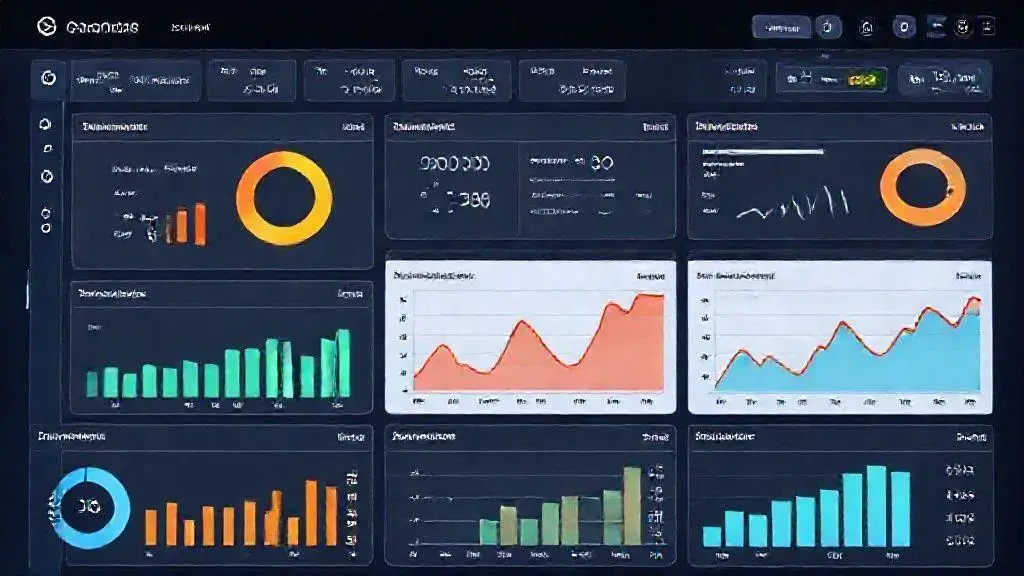
Measuring your conversion rates is vital to understanding how your online store is performing. Through this analysis, you can identify areas that need improvement and, as a result, increase your sales. Let’s look at how to measure them effectively.
Defining Conversion
First, it’s important to define what a conversion means for your business. A conversion can be a sale, a form submission, or even a newsletter signup. Knowing exactly what you want to measure will help you set up your analytics correctly.
Measurement Tools
There are several tools available to help you monitor your conversion rates. Google Analytics is one of the most popular and powerful. With it, you can track user behavior on your site and get detailed data on your conversion rates.
- Set up goals in Google Analytics
- Use Tag Manager for tracking
- Analyze behavior reports
- Identify exit pages and cart abandonment
Another way to measure your rates is through A/B testing. By comparing different versions of your pages, you can see which layout or element leads to more conversions. Analyzing customer feedback can also provide qualitative data that helps you understand what works and what doesn’t.
Interpreting the Data
Once you’ve collected the data, you need to interpret it properly. A low conversion rate may be a sign that something isn’t working correctly. This could include site navigation problems or a need to improve product presentation. The relationship between traffic and conversions should also be considered to evaluate how effective your marketing campaigns are.
Track trends over time. Seeing whether your conversion rates rise or fall in response to strategy changes can show how effective those changes are. Make continuous adjustments to optimize performance and make sure you’re always improving your conversion rate.
Common Conversion Optimization Mistakes
Identifying and avoiding common conversion optimization mistakes can be the key to your online store’s success. Many businesses face obstacles that could easily be fixed or avoided with a careful eye. Let’s go over some of the main mistakes to avoid.
Not Setting Clear Goals
A frequent mistake is not having well-defined goals. It’s essential to know what you want to achieve with optimization. Without a clear goal, it’s hard to measure success. This could include increasing your conversion rate by a specific percentage or lowering your cart abandonment rate.
Ignoring the User Experience
In practice, user experience is fundamental. Many online stores focus only on looks or marketing strategy, but site usability should also be a priority. A confusing or hard-to-navigate site can drive away potential customers.
- Test your site navigation
- Make sure the checkout process is simple
- Check your page load speed
- Use feedback from real users to make improvements
Another mistake is not using analytics data properly. Ignoring metrics can lead to decisions based on assumptions rather than real information. Tools like Google Analytics offer valuable insights into user behavior.
Lack of A/B Testing
Not running A/B tests is a big waste of opportunity. This technique lets you test different versions of the same page to see which one generates more conversions. Without testing, you may miss the chance to optimize and improve your rates.
Personalization is also often overlooked. A lack of content tailored to user preferences can result in a weak connection with the customer. By offering relevant products or recommendations, you show that you understand their needs.
Finally, not keeping up with market trends is another common mistake. What works today may not work tomorrow. Always keep an eye out for new strategies and technologies that could affect your conversions.
Useful Tools for Monitoring and Analysis
Using the right tools for monitoring and analysis can make all the difference in your online store’s performance. These tools help you collect data and understand user behavior, so you can optimize your conversion strategies.
Google Analytics
Google Analytics is, without a doubt, one of the most popular and effective tools. With it, you can track many important metrics, such as number of visitors, bounce rate, and conversions. It’s ideal for understanding where your traffic comes from and which pages get the most visits.
Hotjar
Another powerful tool is Hotjar. It lets you see how users interact with your site through heatmaps and session recordings. This helps you identify friction points in the user journey and improve the overall experience.
- Heatmaps show where users click most
- Session recordings reveal real-time behavior
- Feedback surveys collect visitors’ opinions
Beyond these, SEMrush is excellent for SEO and competitor analysis. It lets you check keywords, analyze campaigns, and monitor your performance in search results. With this data, you can adjust your digital marketing strategies.
Facebook Pixel
Facebook Pixel is an essential tool for anyone running ads on Facebook and Instagram. It helps track the effectiveness of your ad campaigns, allowing you to build more precise target audiences and evaluate the conversions generated by your ads.
Last but not least, there are A/B testing tools, such as Optimizely. They let you test different versions of pages to find out which one generates more conversions. This is essential for continuously optimizing your efforts and increasing your return on investment.
conversion optimization is a crucial part of any online store’s success. By understanding and applying the strategies discussed here, such as using the right tools and measuring results, you can improve the user experience and, in turn, increase sales. Focusing on common mistakes and constantly correcting them will help maximize your potential. Never stop testing and adapting your approach, because the online market is always changing. Stay up to date to ensure your store’s success and an increase in your conversion rates.
FAQ – Frequently Asked Questions About Conversion Optimization for Online Stores
Why is it important to measure conversion rate?
Measuring conversion rate helps you understand how your site’s visitors behave and lets you identify opportunities for improvement to increase sales.
Which tools can I use to monitor conversions?
Tools like Google Analytics, Hotjar, and SEMrush are great for monitoring your online store’s performance and collecting valuable data.
How can I improve the user experience in my store?
Improve the user experience by making sure your site is responsive, simplifying the checkout process, and using an intuitive design that makes navigation easy.
Why are A/B tests important?
A/B tests let you compare different versions of pages to find out which elements are most effective at generating conversions, helping you continuously optimize your site.