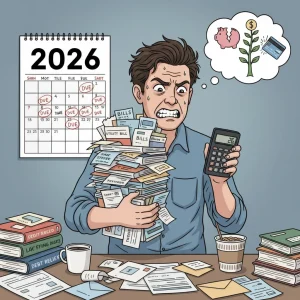
Emergency Fund: Protect Your Financial Future by 2026

Anúncios
The Vital Importance of an Emergency Fund: Why You Need 6 Months of Expenses Saved by the End of 2026
Anúncios
In an increasingly unpredictable world, financial security is no longer a luxury but a necessity. Economic downturns, unexpected job loss, urgent medical bills, or unforeseen home repairs are just a few of the scenarios that can completely destabilize a family’s finances. This is where an emergency fund comes in: a financial cushion that offers peace of mind and protection in difficult times. If you don’t have one yet, consider this article a call to action: understand why you need the equivalent of 6 months of expenses saved by the end of 2026.
Building an emergency fund is not just a financial goal; it’s a commitment to your well-being and your family’s. It lets you face the unexpected without turning to expensive debt, such as personal loans or overdrafts, which can make your financial situation even worse. More than that, having an emergency fund frees you from the constant stress of living on the edge, allowing you to make more thoughtful decisions about your career, your investments, and your lifestyle.
This complete guide will demystify the emergency fund, explaining what it is, why it’s so crucial, how to calculate it, where to keep it and, most importantly, how to build an effective plan to reach the goal of 6 months of expenses by 2026. Get ready to take a fundamental step toward your financial independence and security.
Anúncios
What Is an Emergency Fund and Why Is It Indispensable?
An emergency fund is a sum of money set aside specifically to cover unexpected expenses. It works like financial insurance, protecting you and your family from situations that could otherwise lead to debt or completely derail your budget.
Think of it as a parachute for your finances. When you jump out of a plane (or face a financial crisis), the parachute (your emergency fund) is what ensures a safe landing. Without it, the consequences can be disastrous.
Scenarios Where an Emergency Fund Makes the Difference:
- Job Loss: This is perhaps the most common and impactful scenario. A 6-month emergency fund lets you maintain your standard of living while you look for a new job, without the pressure to accept the first offer or rack up debt.
- Unexpected Medical Expenses: Surgeries, treatments, or medications not fully covered by health insurance can be extremely costly. Your fund can be the difference between getting the care you need and jeopardizing your financial future.
- Urgent Home or Car Repairs: A burst pipe, a damaged roof, a serious engine problem. These emergencies don’t wait and can arise at any moment, requiring fast and often expensive solutions.
- Unexpected Travel: While not an emergency in the traditional sense, a last-minute trip to visit a sick relative or attend an important event can come up. Having a fund keeps it from wrecking your budget.
- Reduced Income: If you’re self-employed or have variable income, slow periods can be offset by your emergency fund, keeping your finances stable.
Without an emergency fund, any of these events can force you to take out high-interest loans, sell valuable assets in a hurry or, in the worst case, fall into a debt cycle that’s hard to escape. An emergency fund isn’t about getting rich; it’s about protecting what you’ve already built and securing your peace of mind.
How to Calculate Your Emergency Fund: The 6-Month Goal
The first step in building your emergency fund is knowing how much money you need. Financial experts generally recommend having 6 to 12 months of monthly expenses saved. For our 2026 goal, we’ll focus on 6 months, which is an excellent and achievable starting point for most people.
Step-by-Step Calculation:
- List All Your Essential Monthly Expenses: Start by identifying everything you spend in a month. This isn’t just fixed bills, but all of your expenses. Include:
- Rent/mortgage
- Utilities (water, electricity, gas, internet, phone)
- Food (groceries, meals)
- Transportation (fuel, transit fares, car maintenance)
- Health (insurance premiums, regular medications)
- Education (tuition, supplies)
- Insurance (car, home, life)
- Debt (loan installments, credit cards – note: ideally you should have no debt while building the fund, but if you do, include it)
It’s crucial to be honest and detailed here. Review your bank and credit card statements from the last 3 to 6 months to get an accurate picture of your spending.
- Add Up the Essential Expenses: Add all the listed amounts to get your total essential monthly expenses. Non-essential expenses, such as entertainment, expensive trips, or impulse purchases, should be left out of this initial calculation, since in an emergency you would cut them.
- Multiply by 6 (or More): Once you have your essential monthly expenses, multiply that number by 6. This will be your initial target for the emergency fund.
Practical Example:
- Rent: $1,500
- Utilities: $300
- Food: $700
- Transportation: $300
- Health: $200
- Other essential expenses: $250
- Total Essential Monthly Expenses: $3,250
In this example, your ideal emergency fund would be: $3,250 x 6 = $19,500.
Remember, this is a minimum. If your job is unstable, you’re self-employed, or you have dependents, consider increasing it to 9 or even 12 months of expenses. The idea is for your emergency fund to give you enough time to get back on your feet without panic.
Where to Keep Your Emergency Fund: Liquidity and Safety Above All
Keeping your emergency fund under the mattress or in a regular checking account isn’t the best strategy. The money needs to be somewhere safe, easily accessible (same-day or next-day liquidity) and, if possible, earning a little so it doesn’t lose value to inflation. Returns are secondary; safety and liquidity come first.
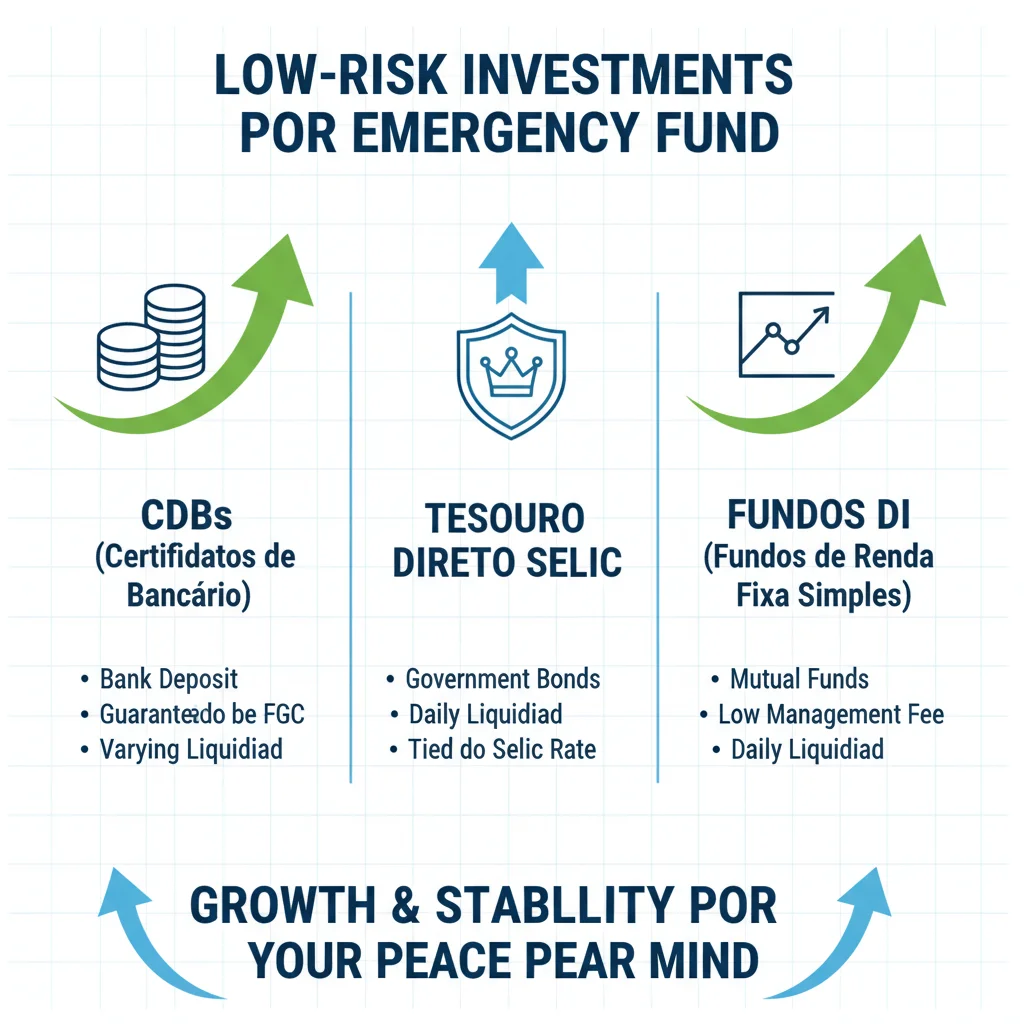
Ideal Options for an Emergency Fund:
- High-Yield Savings Accounts: Offered by many online banks, they pay significantly more interest than traditional savings accounts, allow withdrawals at any time, and are typically covered by government deposit insurance up to the legal limit. This is one of the best options for most people.
- Money Market Funds and Accounts: They invest in very short-term, high-quality debt and usually track central bank interest rates closely. They offer excellent liquidity and low risk.
- Short-Term Government Bonds (Treasury Bills): Considered among the safest investments available, with returns tied to benchmark interest rates. Choose short maturities or funds that hold them so you can access your money quickly.
- Low-Fee Cash or Ultra-Short-Term Bond Funds: Funds that invest in very short-term fixed-income securities. It’s important to choose funds with very low management fees (below 0.5% per year) so they don’t eat into your returns.
What to Avoid:
- Low-Interest Traditional Savings Accounts: Although they are liquid and safe, they often pay less than the options above, losing to inflation over many periods. They’re an option, but not the most efficient one.
- Risky Investments (Stocks, Hedge-Style Funds, Cryptocurrencies): An emergency fund is not for speculation. The goal is to preserve capital and have quick access to it. Volatile investments can lose value right when you need them most.
- Cash in a Checking Account: Besides earning nothing, money in your checking account can easily be spent on non-emergency expenses, diluting the purpose of your fund.
Ideally, your emergency fund should be kept separate from your everyday money. This removes the temptation to spend it and ensures it’s there when you really need it. Open a separate account or invest in a product dedicated to this purpose.
Strategies to Build Your Emergency Fund by 2026
Now that you know how much you need and where to keep it, the next step is to create an action plan to reach your goal of 6 months of expenses by the end of 2026. Consistency is key.
1. Detailed Budget and Expense Tracking:
The first practical step is to create a budget. Know exactly where your money is going. Use spreadsheets, budgeting apps, or even a notebook. Categorize your expenses and income. This will help you identify where you can cut back and redirect money to your emergency fund.
2. Set a Monthly Savings Goal:
Divide the total amount of your emergency fund by the number of months remaining until December 2026. This gives you a monthly savings target. For example, if your goal is $19,500 and you have 30 months left (June 2024 to December 2026), you would need to save $650 per month.
3. Automate Your Deposits:
Set up an automatic transfer from your paycheck to your emergency fund account as soon as you get paid. Treat this deposit as a non-negotiable bill. Automation removes the need for daily discipline and ensures you’re always contributing to your goal.
4. Cut Unnecessary Expenses:
Review your budget and identify expenses that can be reduced or eliminated. Small daily cuts (coffee out, pricey lunches, unused subscriptions) add up to large amounts over time. Ask yourself: “what can I give up today to be secure tomorrow?”
5. Increase Your Income (If Possible):
If cutting expenses isn’t enough to reach your goal, consider ways to increase your income. This could include freelance work, selling things you no longer use, monetizing a hobby, or seeking a promotion or raise at your current job. Every extra dollar can go toward your emergency fund.
6. Sell Unused Items:
Declutter your home and sell clothes, electronics, furniture, or other items you no longer use. Online marketplaces make this easy, and the money raised can give your fund a nice initial boost.
7. Focus and Discipline:
Building an emergency fund requires focus and discipline. There will be times when you’re tempted to use the money for other things. Remember your end goal: the peace of mind and security the fund provides. Stay motivated by picturing the benefits of having that financial cushion.
Maintaining and Reassessing Your Emergency Fund
Building your emergency fund is just the beginning. Maintaining it and reassessing it periodically is equally important. Your life changes, your expenses change, and your fund should adapt to those changes.
Adjust Your Fund Periodically:
At least once a year, or whenever there’s a major change in your life (marriage, the birth of a child, a job change, buying a home), review your monthly expense calculation. If your spending has increased, your emergency fund also needs to grow to keep providing adequate protection.
Replenish the Money You Use:
If you need to tap your emergency fund for something unexpected, make replenishing it a priority as quickly as possible. Treat it as a debt you owe yourself and start saving again until you reach the desired level.
Avoid the Temptation to Use It for Other Purposes:
An emergency fund is for *emergencies*. Don’t give in to the temptation to use it for a vacation, a new car, or a risky investment. Those are different financial goals and should be planned with other resources. Stay disciplined and keep your fund’s purpose intact.
The Psychological and Financial Benefits of Having an Emergency Fund
The benefits of having an emergency fund go far beyond basic financial security. They directly affect your quality of life and your ability to make decisions.
Peace of Mind and Less Stress:
Knowing you have a financial cushion for the unexpected is one of the biggest stress relievers there is. Anxiety about the future drops considerably, letting you sleep better and live more calmly.

Imagine the difference between facing a layoff with zero savings and facing it knowing you have 6 months of expenses covered. The first situation is terrifying; the second, while difficult, is manageable.
Freedom to Make Better Decisions:
With an emergency fund, you have the freedom to:
- Choose a new job calmly: You don’t have to accept the first offer out of desperation. You can wait for the right opportunity.
- Negotiate better terms: Whether for a new job or a debt situation, having money saved gives you bargaining power.
- Take calculated risks: If you’re thinking about starting a business or changing careers, your fund can be the support you need during the transition.
Avoiding Expensive Debt:
In an emergency, the lack of savings leads many people to take out loans with sky-high interest rates, such as overdrafts or revolving credit card balances. That interest can quickly turn a small emergency into a snowball of debt. An emergency fund breaks this vicious cycle.
A Foundation for Other Financial Goals:
An emergency fund is the foundation of any solid financial plan. Only after building and maintaining it should you focus on other goals, such as long-term investing, buying property, retirement, and so on. Without this foundation, any unexpected event can bring down your entire financial structure.
Common Challenges and How to Overcome Them
Building an emergency fund can seem daunting, especially for people living on a tight budget. However, it’s a challenge worth overcoming. Let’s look at some common obstacles and how to tackle them.
“I Don’t Have Any Money Left Over”:
This is the most common objection. The truth is that, for many people, sacrifices are necessary. Start small. Even $10 or $20 a month is a start. What matters is building the habit of saving. Go over your budget with a magnifying glass; small “harmless” expenses often add up to a considerable amount. Also consider ways to earn extra income, however small.
“2026 Is Too Far Away”:
The 2026 goal may seem distant, but time flies. Break your goal into smaller, more manageable targets (monthly, quarterly). Celebrate every small win. What matters is starting today. Every dollar saved today is one step closer to your future security.
“I’d Rather Invest in Something with Higher Returns”:
It’s a common temptation, but remember: an emergency fund isn’t about maximum returns; it’s about safety and liquidity. The goal is to have the money available immediately, with no risk of loss. Higher-return investments usually come with greater risk and lower liquidity, which makes them unsuitable for this purpose.
“I’ll Just Use My Credit Card in an Emergency”:
A credit card may seem like a quick fix, but its interest rates are exorbitant. Using it for emergencies without being able to pay the full balance is a dangerous shortcut to debt. An emergency fund is a much healthier and cheaper alternative.
Conclusion: Your Financial Future Starts Now with an Emergency Fund
The goal of having 6 months of expenses in your emergency fund by the end of 2026 is ambitious, but entirely achievable with planning, discipline, and consistency. More than a number in a bank account, an emergency fund is a symbol of your financial responsibility, your ability to protect yourself, and your pursuit of a life with fewer worries and more freedom.
Don’t wait for an emergency to knock on your door before you act. Start today. Calculate your expenses, set your goal, choose the best place to keep your money, and automate your deposits. Every dollar you save is one more brick in your fortress of financial security.
When you reach your goal, you’ll not only have a cushion for the unexpected, but also a solid foundation for all your other financial dreams, from buying a home to a comfortable retirement. An emergency fund isn’t just for the future; it improves your present, allowing you to live with more confidence and peace of mind. Make 2026 the year you finally achieve financial security with a robust, well-structured emergency fund.